SEO AUTOMATION · SAAS
2026
RapidWombat
A clearer path from first site analysis to content planning, publishing, and progress.

Client
Persollo PTY LTD
scope
SEO AUTOMATION · SAAS
year
2026
duration
4 month
Overview
The brief.
Volta Studio came to me with a clear problem — they had strong work but a brand that didn't reflect it. Their existing identity was generic, forgettable, and said nothing about what made them different from every other creative studio competing for the same clients.
The brief was to build a brand identity from the ground up — a visual system that felt bold and confident without being loud, that communicated craft and precision, and that could scale across print, digital, and motion without losing coherence.
The Challenge
A long process needs visible progress
Initial analysis takes time. Analytics integrations ask the user to act. Content moves through planning, creation, review, and publishing. If these stages look alike, users cannot tell what the platform is doing, what it needs from them, or what has happened already. A dashboard full of equal-weight widgets can make that uncertainty worse.
the solution
Key decisions
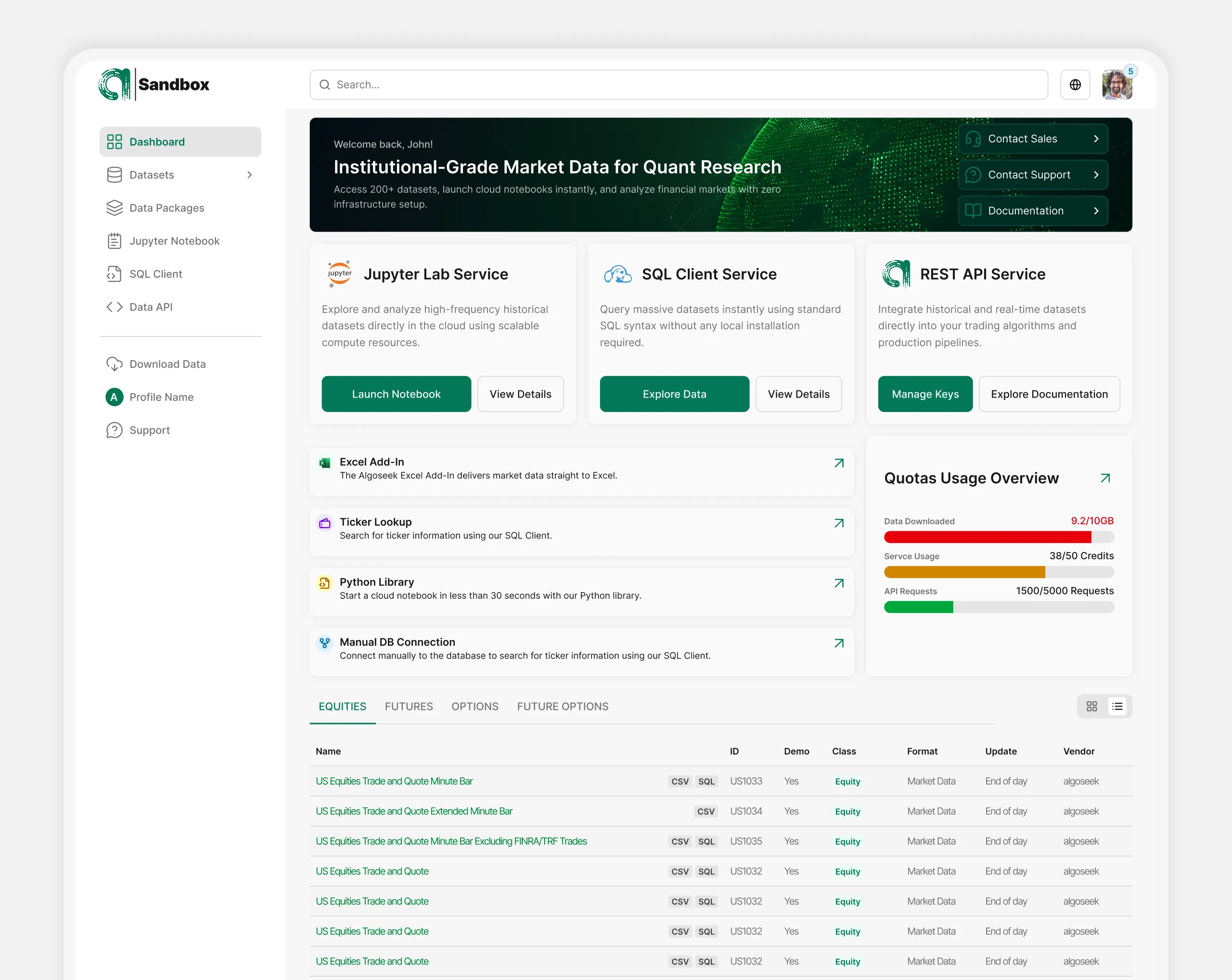
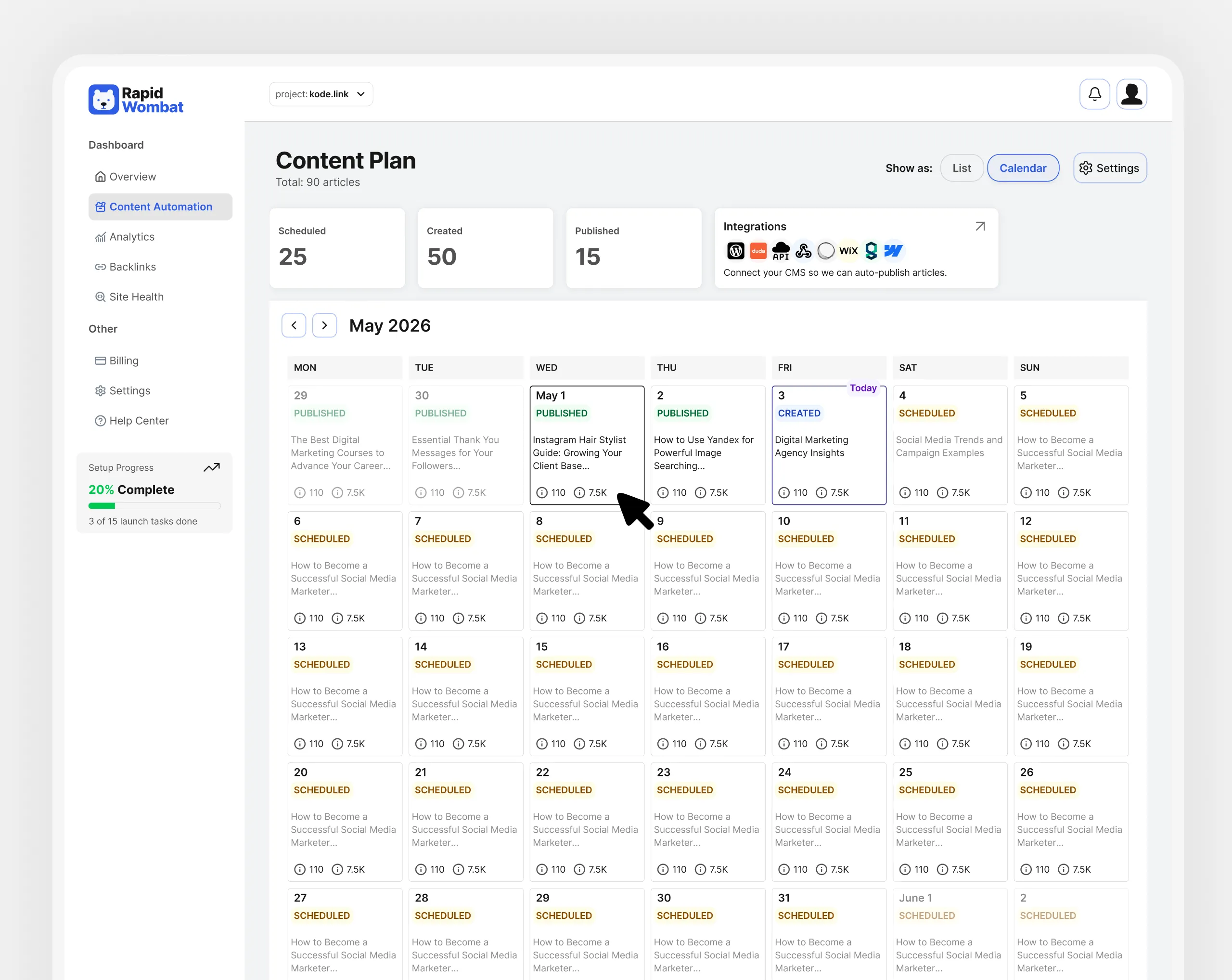
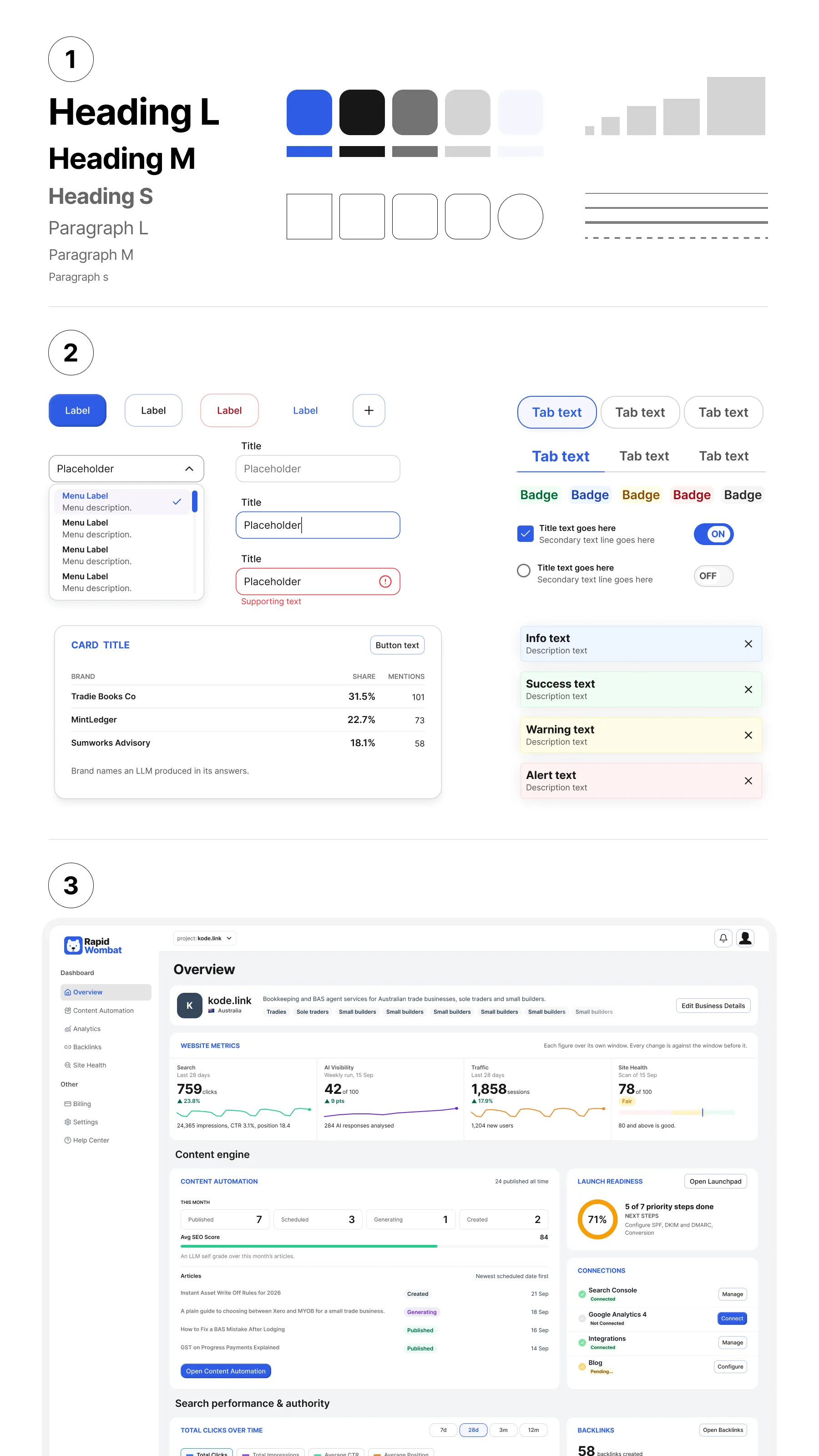
I mapped the first-use and ongoing journeys, then separated system progress from user tasks. Onboarding gives site analysis its own progress and waiting states, while integration prompts explain the action required and why. The main workspace prioritises project context, the content plan, key metrics, and the next useful step. Supporting modules remain available without competing with the primary workflow.
For content planning and publishing, I designed distinct states for processing, review, and failure. An error identifies the issue and the path to resolve it instead of ending at a generic alert. The website copy and previews explain the service before setup, and the product interface continues that explanation once a user enters the app.
Outcome
The work created a connected design direction for website and product, with clearer setup, a more focused workspace, visible content states, and reusable feedback patterns. The design principle is simple: an automated service should show its progress, the user's responsibility, and its results.